

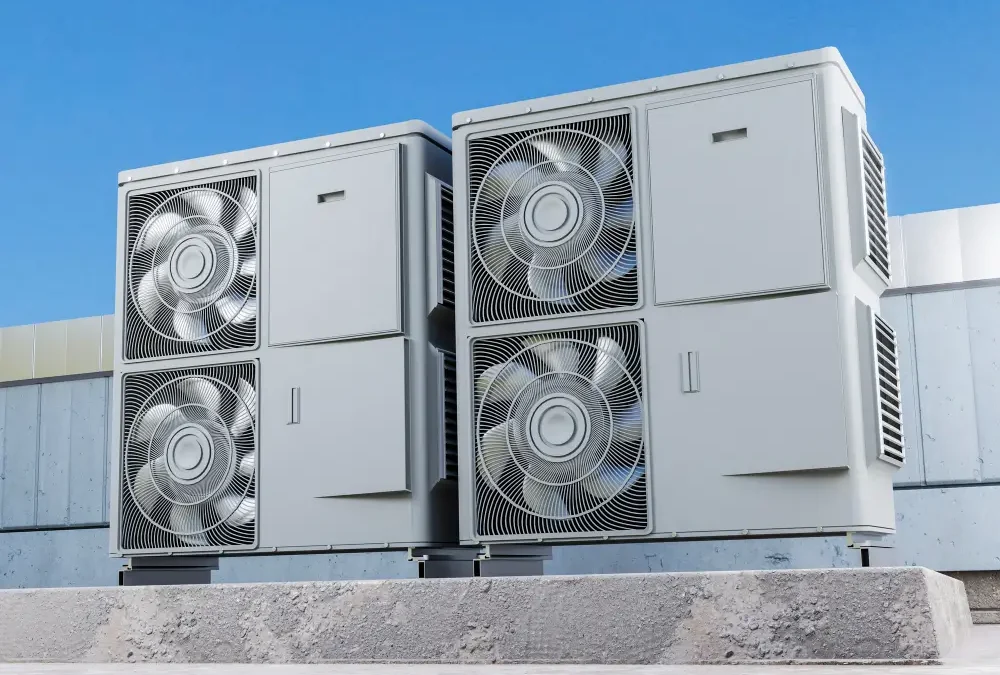
Best By Farr LLC’s Commercial HVAC Contractors
Best By Farr LLC optimizes commercial establishments with specialized HVAC installation, replacement, and maintenance services. They prioritize energy efficiency in their HVAC systems, reducing operational costs and enhancing indoor air quality, contributing to a healthier work environment. The team of licensed and insured contractors guarantees professional service reliability, bound by transparent pricing and excellent customer reviews. The firm nurtures long-term contractor-client relationships through open communication. Further exploration will offer insights into Best By Farr LLC’s all-encompassing HVAC solutions.
Commercial HVAC Installation and Replacement
Installing commercial HVAC systems is intricate, requiring understanding various steps and considerations.
Vital factors such as system selection and the advantages of professional involvement underscore the complexity of replacement operations.
Missteps can be costly, so it’s essential to avoid common mistakes and understand the potential financial implications of installation and replacement.
The Steps and Process of Installing a Commercial HVAC System
Maneuvering through the complexities of a commercial HVAC installation involves a series of critical steps, each contributing to the system’s overall efficiency and effectiveness.
These steps include initial site evaluation, designing the system according to the building’s needs, procuring the appropriate units, and professional installation.
Post-installation, the system undergoes rigorous testing to guarantee performance integrity, providing a sense of belonging for all utilizing the space.
Factors to Consider When Choosing a Commercial HVAC System for Replacement
Choosing a commercial HVAC system for replacement requires careful consideration of multiple factors to confirm maximum efficiency and performance.
- Evaluate the system’s age and current performance
- Consider the size and specific needs of the commercial space
- Review energy efficiency ratings for potential cost-savings
- Examine the reliability and warranty options of various brands
These factors confirm a suitable choice, fostering a sense of belonging for those within the space.
The Benefits of Hiring a Professional for Commercial HVAC Installation and Replacement
While attempting a do-it-yourself approach to commercial HVAC installation and replacement may seem tempting, employing a professional service yields significant benefits.
Expert technicians guarantee a proper installation for peak system efficiency and longevity. This reduces energy consumption and prevents costly repairs.
Additionally, professionals’ knowledge of various HVAC systems allows for tailored solutions, fostering a sense of belonging for clients through personalized service.
Common Mistakes to Avoid When Installing or Replacing a Commercial HVAC System
Despite the perceived simplicity of installing or replacing a commercial HVAC system, numerous missteps can occur, leading to decreased system efficiency and increased costs.
- Incorrect sizing: Choosing a system that is too large or small for the space can lead to inefficiency.
- Poor installation: Inadequate sealing or insulation can result in energy loss.
- Neglecting maintenance: Regular inspections and cleanings are essential for peak performance.
- Ignoring professional advice: Experts can provide valuable insights to avoid common pitfalls.
The Cost of Commercial HVAC Installation and Replacement: What to Expect
How much does installing or replacing a commercial HVAC system cost?
Costs can vary widely, depending on system size, complexity, and the specifics of the installation location.
However, a new commercial HVAC system generally costs between $15,000 and $30,000.
Replacement costs can often run slightly lower, as some existing infrastructure can be reused.
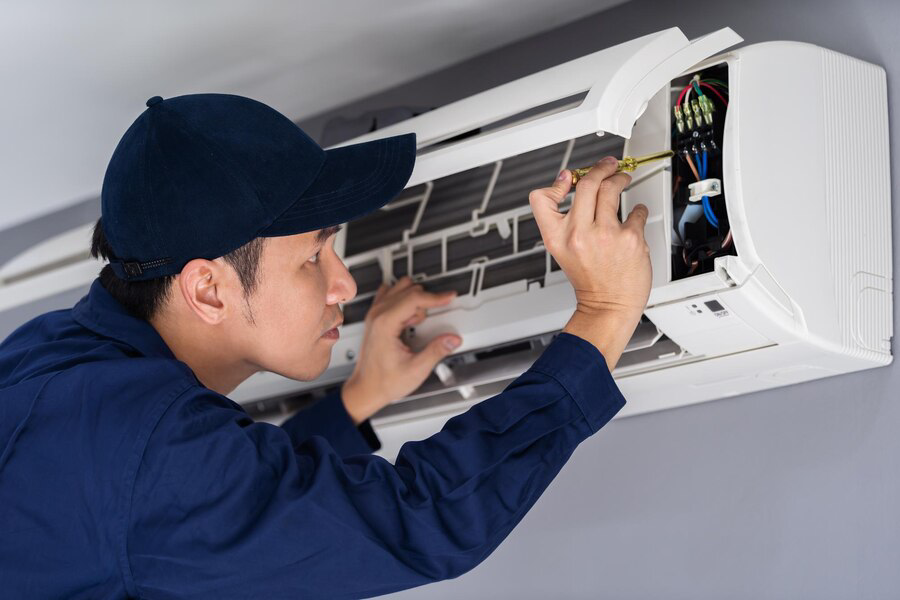
Commercial HVAC Maintenance and Repair
Regular maintenance is crucial to effectively managing commercial HVAC systems. It greatly impacts energy efficiency, air quality, and the system’s lifespan.
Awareness of signs indicating repair needs can prevent costly damages and prolong the system’s life.
The subsequent discussion will analyze these aspects, including the advantages and drawbacks of DIY versus professional maintenance, typical repair costs, and tips to enhance HVAC lifespan through proper maintenance and repair.
The Importance of Regular Maintenance for Commercial HVAC Systems
While many commercial property owners may not give their HVAC systems a second thought until a problem arises, regular maintenance is essential for these complex systems.
- Regular maintenance improves energy efficiency, reducing operational costs.
- It enhances indoor air quality by keeping filters and coils clean.
- Early detection of issues during maintenance checks can prevent costly repairs.
- Finally, regular maintenance extends the lifespan of the HVAC system, ensuring consistent comfort.
Signs that Your Commercial HVAC System Needs Repair
Understanding the signs that your commercial HVAC system needs repair is integral to maintaining the system’s efficiency and longevity.
Symptoms such as inconsistent temperatures, strange noises, or increased energy bills may indicate problems. The presence of foul odors or decreased air flow could also signal the need for repair.
Timely recognizing these signs guarantees prompt intervention, preventing further damage and ensuring peak operation.
DIY vs Professional Commercial HVAC Maintenance and Repair: Pros and Cons
Given the complex nature of commercial HVAC systems, the debate between DIY and professional commercial HVAC contractor’s maintenance and repair is worth considering.
- DIY may offer cost savings but requires considerable knowledge, time, and risk.
- Professional services guarantee expertise, quick response, and reliable solutions.
- Safety risks are minimized with professional handling.
- Regular professional maintenance can extend system life and improve efficiency, promoting cost-effectiveness.
Both options have merits, but the choice often depends on specific circumstances and needs.
Common Commercial HVAC Repair Costs and How to Reduce Them
Despite the merits of professional maintenance highlighted in the previous discussion, it remains essential to acknowledge the potential costs associated with commercial HVAC repair.
These costs can vary widely depending on the complexity of the issue. However, regular preventative maintenance can mitigate these costs, as it often detects minor problems before they escalate into costly repairs.
It is a strategic investment to guarantee long-term savings and business continuity.
Tips for Extending the Lifespan of Your Commercial HVAC System through Maintenance and Repair
Recognizing the significant investment a commercial HVAC system represents, adopting effective maintenance and repair strategies to extend its lifespan becomes essential.
- Regular inspections and preventative maintenance can identify potential issues early.
- Timely repairs can prevent minor issues from escalating.
- Seasonal tune-ups optimize system performance and efficiency.
- Replacing worn-out components can maintain system integrity and prolong its service life.
These strategies foster a sense of belonging by ensuring a consistently comfortable environment.
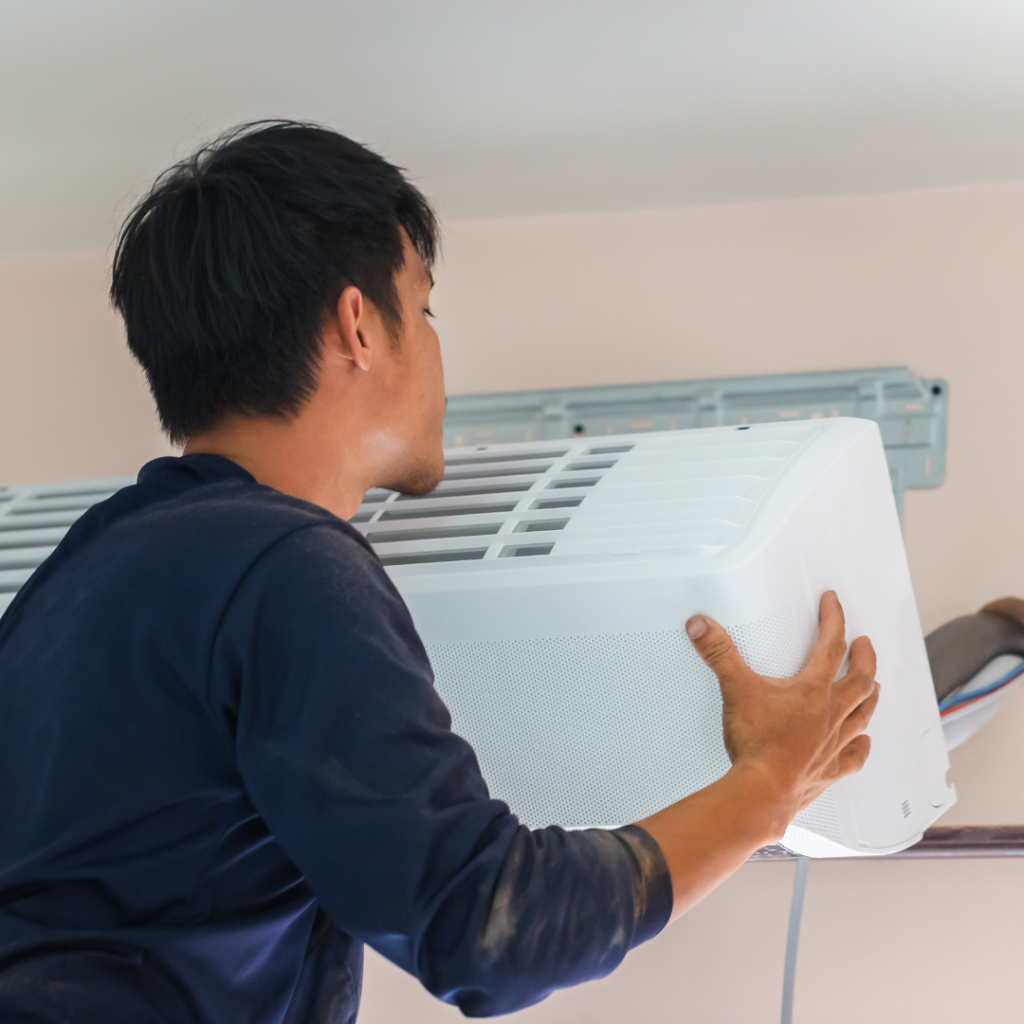
Energy Efficiency in Commercial HVAC Systems
The impact of commercial HVAC systems on energy consumption and costs cannot be overstated. They directly affect businesses’ financial bottom lines.
With technological advancements, opportunities to enhance energy efficiency in these systems are ripe for exploration.
However, misconceptions about energy efficiency in commercial HVAC systems persist, emphasizing the need for clarity and the potential long-term benefits of such investments.
The Impact of Commercial HVAC Systems on Energy Consumption and Costs
It’s estimated that nearly half of commercial building energy consumption is attributed to HVAC systems. This significant energy usage directly impacts operational costs and the building’s environmental footprint.
- Inefficient HVAC systems can lead to inflated energy bills.
- Regular maintenance can optimize energy use.
- Advanced HVAC technologies can reduce energy consumption.
- Properly sized HVAC equipment prevents unnecessary energy waste.
Understanding these factors can help businesses manage energy use effectively.
How to Improve Energy Efficiency in Your Commercial HVAC System
Given the significant energy demands of HVAC systems in commercial settings, as previously discussed, there’s a growing need for strategies to enhance their energy efficiency.
Regular maintenance, such as cleaning and replacing filters, can prevent system strain.
Proper insulation and building envelope sealing can reduce heating and cooling loads.
Opting for energy-saving models when replacing old systems can also contribute to improved energy efficiency.
The Role of Technology in Enhancing Energy Efficiency in Commercial HVAC Systems
As we explore the role of technology in enhancing energy efficiency in commercial HVAC systems, it becomes clear that advancements in this field have revolutionized their operation.
- Smart thermostats enable precise control over temperature and energy usage.
- Variable frequency drives adjust motor speed to optimize efficiency.
- Advanced sensors provide real-time data for proactive system management.
- AI-powered predictive analytics suggest energy-saving measures and predict maintenance needs.
Common Myths and Misconceptions About Energy Efficiency in Commercial HVAC Systems
How often have we heard that energy efficiency in commercial HVAC systems is simply a matter of installing the latest technologies? This is a common misconception.
While modern technologies can enhance efficiency, it’s not the sole factor. Proper installation, regular maintenance, and system sizing are equally essential. Misunderstanding this can lead to inadequate performance and inflated energy bills, disrupting the sense of belonging desired by many.
The Long-Term Benefits of Investing in Energy Efficiency for Your Commercial HVAC System
Investing in energy efficiency for a commercial HVAC system yields substantial long-term benefits.
- Reduced energy bills: Over time, energy-efficient systems lower the cost of utility bills.
- Extended equipment life: Efficient systems reduce wear and tear, prolonging system lifespan.
- Improved air quality: Energy-efficient systems often improve indoor air quality.
- Environmentally friendly: Reduced energy consumption contributes to a greener environment.
Indoor Air Quality in Commercial Buildings
The pivotal role of indoor air quality in commercial buildings is often overlooked despite its significant impact on employee productivity and health.
Numerous factors, including ventilation, humidity, and contaminants, influence this air quality. A well-maintained commercial HVAC system and strategic interventions can effectively enhance indoor air quality, fostering a healthier, more productive workspace.
The Importance of Indoor Air Quality in Commercial Buildings
While many often overlook the significance of indoor air quality, it plays an essential role in commercial building occupants’ overall health and productivity.
- Poor air quality can lead to health issues such as allergies and respiratory problems.
- High-quality indoor air can enhance productivity by creating a comfortable environment.
- A well-maintained HVAC system is vital for maintaining ideal indoor air quality.
- Regular inspections and maintenance can prevent potential air quality issues.
Factors That Affect Indoor Air Quality in Commercial Buildings
Various elements can impact the indoor air quality within commercial buildings, tying in closely with the previous discussion on the significance of maintaining good air quality.
These factors include the building’s ventilation, humidity levels, and the presence of pollutants such as gases, dust, and biological contaminants.
Furthermore, the efficiency and maintenance of HVAC systems play an essential role in determining the purity of the air within such establishments.
Strategies for Improving Indoor Air Quality in Commercial Buildings
Several effective strategies can be implemented to improve indoor air quality in commercial buildings.
These strategies include:
- Regular inspection and cleaning of HVAC systems to remove pollutants.
- Install high-quality air filters that effectively capture contaminants.
- Maintaining proper ventilation to guarantee the continuous flow of fresh air.
- Implementing air purification systems that use UV light to kill airborne pathogens.
How a Well-Maintained Commercial HVAC System Can Help Improve Indoor Air Quality
Maintaining indoor air quality in commercial buildings does not merely hinge on implementing air purification technologies or maintaining proper ventilation.
A well-maintained HVAC system plays an essential role. Regular cleaning, inspection, and repair can eliminate microbial contaminants and pollutants, improving air quality.
Therefore, partnering with reliable HVAC contractors like Best By Farr LLC, who provide thorough maintenance services, can significantly contribute to healthier indoor environments.
The Link Between Indoor Air Quality and Employee Productivity and Health
While it may not be immediately apparent, there is a significant link between indoor air quality and both employee productivity and health, especially in commercial buildings.
- Poor air quality can lead to respiratory issues, causing sick days and decreased productivity.
- High-quality indoor air can enhance cognitive function, improving job performance.
- Regular HVAC maintenance can mitigate air quality problems.
- An investment in HVAC services is an investment in employee health and productivity.
Hiring the Right Commercial HVAC Contractors
Steering the process of hiring the right commercial HVAC contractors entails a careful assessment of various factors.
Key considerations include the contractor’s qualifications, transparency in communication, and reputation for reliability.
This section will explore these aspects, offering insights to build a long-term relationship with a trustworthy HVAC contractor.
The Qualities to Look for in Commercial HVAC Contractors
Selecting ideal commercial HVAC contractors is a critical task, one that requires careful consideration and thorough evaluation.
When choosing, potential clients should look for:
- Credibility: Licensed, insured, and certified HVAC contractors.
- Experience: A contractor with extensive experience in commercial HVAC systems.
- Reputation: Positive customer feedback and reviews.
- Availability: A contractor with flexible schedules to accommodate unexpected HVAC emergencies.
How to Evaluate and Compare Commercial HVAC Contractors
How does one differentiate between competent and inadequate commercial HVAC contractors?
Key evaluation factors include the contractor’s experience, service range, customer satisfaction history, and pricing transparency.
A good contractor has extensive experience, offers thorough services, maintains high customer satisfaction, and provides transparent, competitive pricing.
Comparing these factors across different contractors allows one to make an informed decision, fostering a sense of belonging.
The Benefits of Working with Licensed and Insured Commercial HVAC Contractors
Experience, service breadth, customer satisfaction, and transparent pricing are undeniably important in the domain of commercial HVAC contractors.
Yet, working with a licensed and insured contractor brings even more advantages:
- Guarantee of professional standards.
- Assurance of safety and liability coverage.
- Protection from substandard work or potential damages.
- Compliance with local and state regulations.
These benefits enhance trust, security, and peace of mind, making a wise choice for a licensed, insured contractor.
The Importance of Communication and Transparency with Your Commercial HVAC Contractors
While commercial HVAC contractors’ technical expertise is undeniably necessary, the value of open communication and transparency should not be underestimated.
These aspects foster trust, enabling clients to feel part of the process. The contractor’s ability to clearly explain the project’s intricacies, costs, and timelines is essential.
It guarantees clients feel informed, confident, and secure in their investment, making the HVAC maintenance or installation process more comfortable.
Tips for Building a Long-Term Relationship with Your Commercial HVAC Contractors
Establishing a long-term relationship with commercial HVAC contractors requires careful consideration and strategic action.
- Guarantee they provide extensive services, from installation to emergency repairs.
- Regular maintenance plans should be available for system longevity.
- Look for contractors offering customized solutions tailored to individual needs.
- Finally, the contractor should offer competitive, transparent pricing for their services.
This fosters trust and promotes a long-lasting relationship.
Conclusion
Best By Farr LLC distinguishes itself as a premier HVAC service provider in Cottonwood, Arizona. Their commercial HVAC contractors deliver high-quality, efficient services, from installation to emergency repair. Their emphasis on energy efficiency, indoor air quality, and customer-first approach, combined with competitive pricing, set them apart. Their reputation is further enhanced by positive client reviews, demonstrating their unwavering commitment to customer satisfaction and industry excellence.